Yuri Svirid

Every time your phone autocorrects a word, or an LLM finds the closest text in a RAG system, one quiet 1965 idea is at work. Today its author — Vladimir Levenshtein — would have turned 91.
Yuri Svirid, PhD. — CEO Silk Data

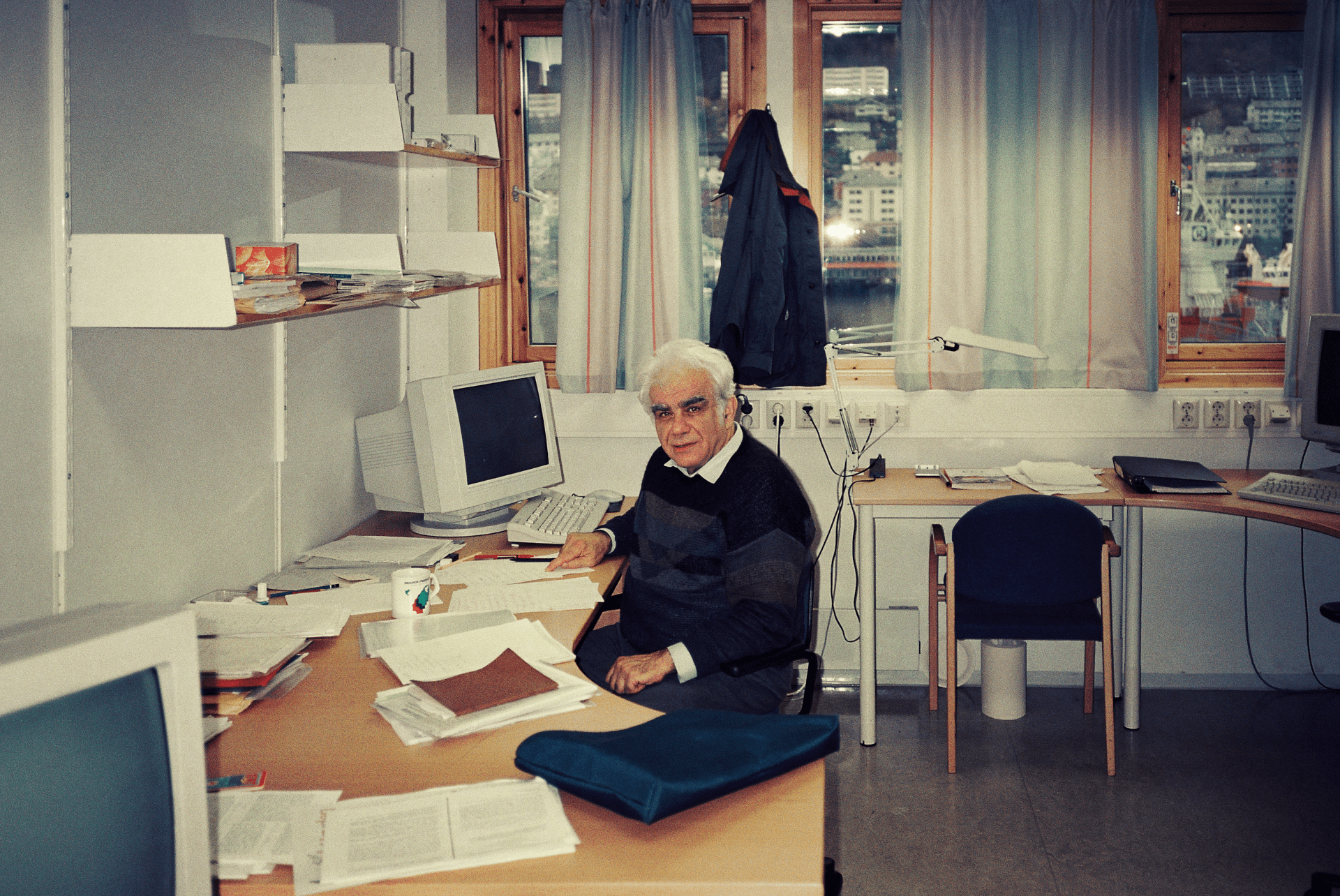
In November 1995 I had the privilege of spending almost a full month with him in Norway, at the University of Bergen — under the low northern sky of an early winter, in long walks and conversations about mathematics, codes, people, and time. I still consider those weeks one of the finest schools of my life.
Vladimir Iosifovich belonged to that rare kind of scientist in whom depth of thought was matched by genuine intelligence and generosity of spirit: he never rushed you, never overwhelmed you with erudition, never explained from above — and yet a single precisely placed sentence could open up an entire horizon. In many ways he remains my teacher — both in science and in the way one ought to approach it.
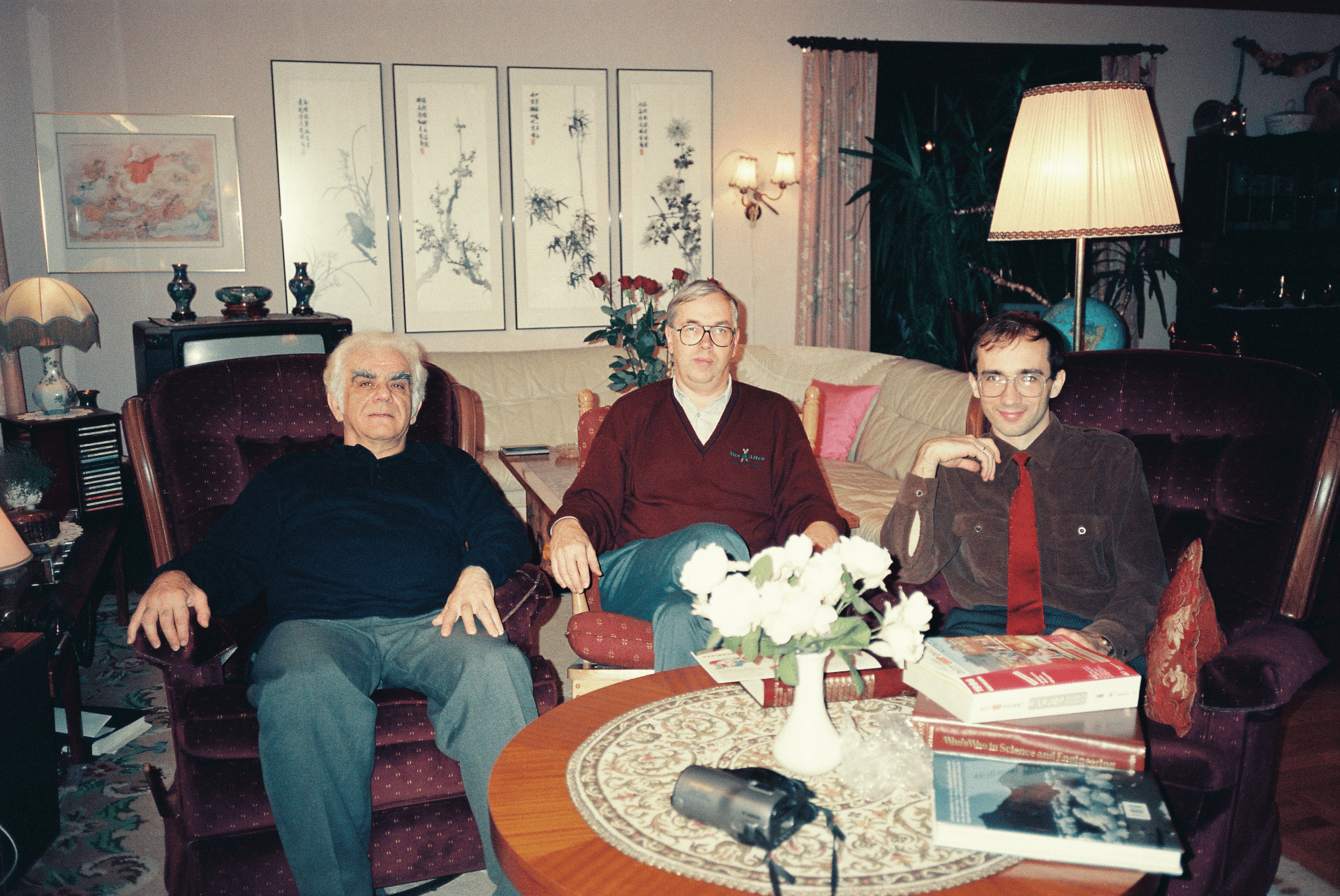
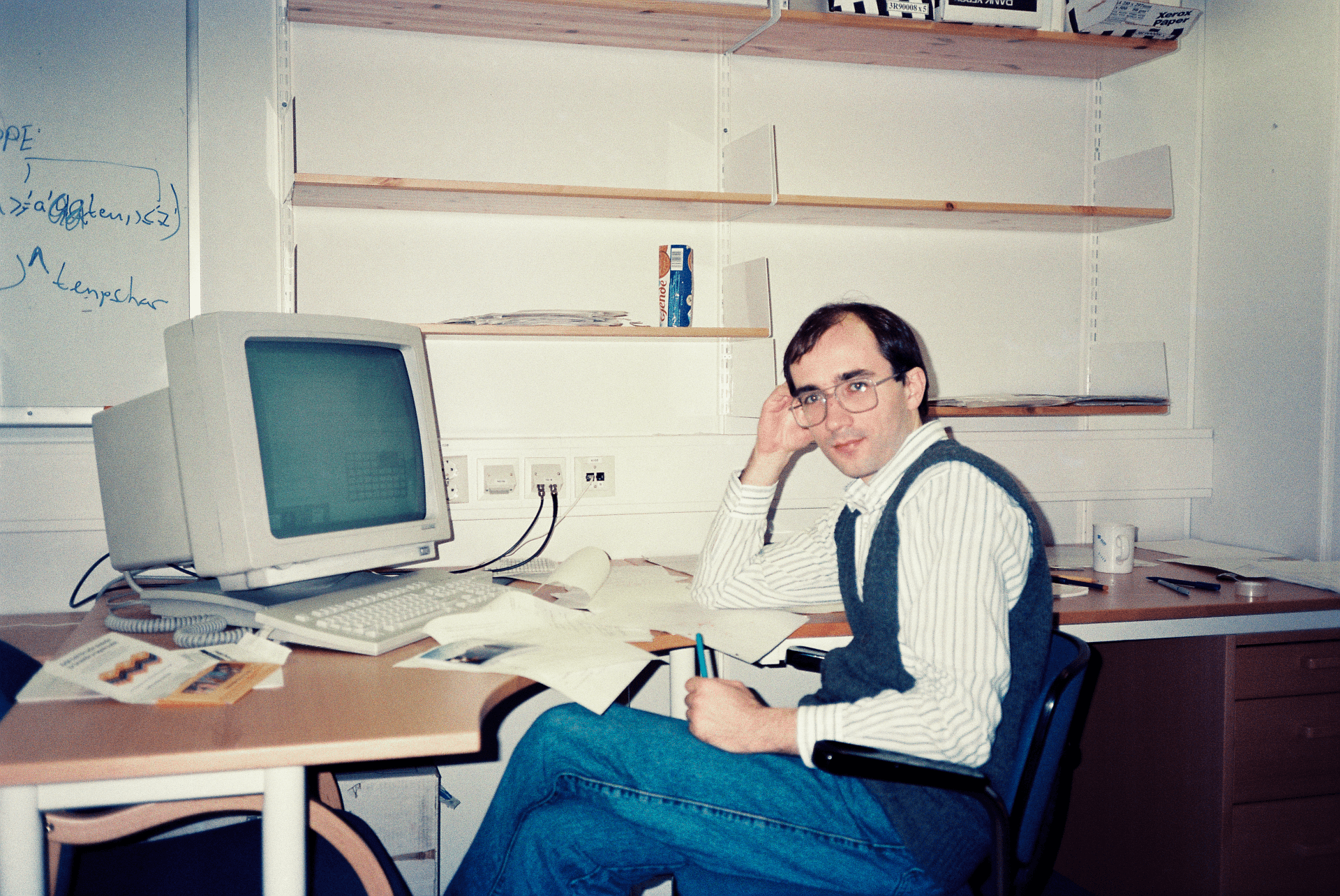
Our host then was Professor Torleiv Kløve — with whom we both worked, though on different topics. To this post I am attaching several photographs from those Bergen days: until today they had been seen only by the three of us — Vladimir Iosifovich, Torleiv (in the centre of the second photo), and me. For thirty years they have rested quietly in my archive, and today, in the midst of the current AI boom, it feels right to share them.
In 1965, in a short note in the Doklady of the USSR Academy of Sciences, at the age of 30, Vladimir Iosifovich introduced the concept known throughout the world today as the Levenshtein distance — the minimum number of insertions, deletions, and substitutions of symbols required to transform one string into another. The idea is almost transparent, and precisely for that reason it is fundamental. Without it, the modern world would be unthinkable: spell-check and autocorrect, fuzzy search and approximate string matching, bioinformatics and DNA sequence alignment, machine translation and speech recognition, record deduplication in databases, similarity scoring for text in Large Language Models (LLMs) and in the RAG systems behind today's AI.
It is deeply regrettable that Vladimir Iosifovich did not live to see what is perhaps the principal application of his idea — its use in AI. Nevertheless, in 2006 he was awarded the IEEE Richard W. Hamming Medal — the highest honour in information theory — "for contributions to the theory of error-correcting codes and information theory, including the Levenshtein distance."
And behind all the honours stood a remarkably warm, ironic, deeply alive human being.
In loving memory. Happy birthday, Vladimir Iosifovich.